
Contents
- 1 Introduction
- 2 1. Upwork: The Comprehensive Freelance Marketplace
- 3 2. Fiverr: Service-Based Freelance Platform
- 4 3. Freelancer.com: Global Freelance Marketplace
- 5 4. Toptal: Premium Freelance Platform for Experts
- 6 5. Guru: Flexible Freelance Earning Platform
- 7 6. PeoplePerHour: European-Focused Freelance Site
- 8 7. 99designs: Specialized Creative Marketplace
- 9 8. FlexJobs: Vetted Remote and Freelance Opportunities
- 10 9. SimplyHired: Aggregated Freelance Listings
- 11 10. Contently: Content Creation Platform
- 12 Platform Comparison: Skills and Specializations
- 13 Frequently Asked Questions About Freelance Websites
- 13.1 What skills do beginners need to succeed on freelance websites?
- 13.2 How can I build a strong profile on freelance platforms to attract clients?
- 13.3 What are effective ways to write proposals that win freelance jobs?
- 13.4 How much time should I spend daily learning skills for freelancing platforms?
- 13.5 Which freelance websites offer free resources for skill-building tutorials?
- 13.6 How do I identify my strongest skills to highlight on freelance sites?
- 13.7 What strategies help freelancers earn their first $100 on these platforms?
- 13.8 How can beginners practice skills without paying for premium courses?
- 13.9 What common mistakes do new freelancers make on job platforms?
- 13.10 How do I track my learning progress to improve earnings potential?
- 13.11 Which platforms teach negotiation skills for higher freelance rates?
- 13.12 How can I use freelance websites to gain testimonials and build credibility?
- 14 Essential Skills for Success on Freelance Platforms
- 15 Your Step-by-Step Getting Started Guide
- 16 Continue Your Learning Journey
- 17 Conclusion: Your Freelancing Journey Starts With Learning
Introduction
I remember the exact moment I decided to start freelancing. I was scrolling through job listings at 2 AM, frustrated with my limited options and wondering if there was a better way to earn online. If you’re reading this right now, you might be in a similar place—hopeful but uncertain about where to begin.
Let me be honest with you from the start: freelancing isn’t a magical shortcut to instant wealth. There’s no button you can press to make money appear in your account overnight. What freelancing offers is something much more valuable—a real opportunity to build marketable skills and earn money on your own terms.
The best freelance websites connect beginners like you with clients who need your services. But here’s what most articles won’t tell you: the platform itself won’t make you successful. Your success depends on the skills you develop, the effort you invest, and your willingness to learn from every project.
In this guide, I’ll walk you through the top freelancing sites that can help you start your earning journey. More importantly, I’ll share what skills you actually need, how to build a profile that attracts clients, and realistic strategies to earn your first $100. This isn’t about getting rich quickly—it’s about learning how to choose best freelance websites for beginners learning sustainable income-generating skills.
1. Upwork: The Comprehensive Freelance Marketplace
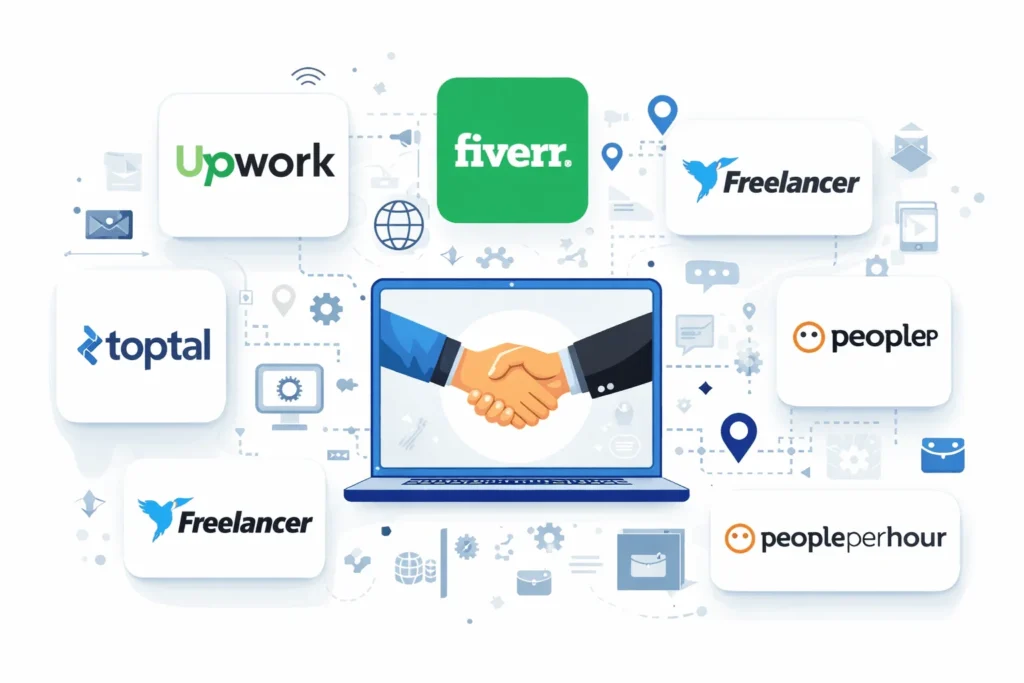
Upwork stands as one of the largest freelance platforms globally, connecting millions of freelancers with clients across virtually every industry. When you’re exploring freelance job boards, Upwork often appears at the top of the list—and for good reason.
What Makes Upwork Unique
Upwork operates on a bidding system where you submit proposals to jobs posted by clients. The platform offers protection for both freelancers and clients through its payment system, which holds funds in escrow until work is completed satisfactorily.
Skills needed for top freelance websites earnings on Upwork include writing, graphic design, web development, virtual assistance, data entry, and digital marketing. The platform rewards specialists who can demonstrate clear expertise in their chosen field.
Getting Started on Upwork
To build profile on best freelance platforms for newbies, you need to create a detailed profile highlighting your skills, experience, and portfolio samples. Your profile acts as your digital resume, so invest time in making it compelling and professional.
Upwork offers free tutorials on freelance websites for skill development through Upwork Academy. Take advantage of these resources to understand client communication skills for freelance platforms and how the bidding process works.
2. Fiverr: Service-Based Freelance Platform
Unlike traditional freelance job boards, Fiverr flips the script. Instead of bidding on jobs, you create service packages (called ‘gigs’) that clients can purchase directly. This makes Fiverr one of the best sites for freelancers who prefer showcasing their services upfront.
How Fiverr Works
You create gigs offering specific services at set prices. Clients browse these gigs and place orders. The platform is particularly popular for creative services, digital marketing, writing, video editing, and voice-over work.
One of the earning strategies for beginners on popular freelance sites is to start with competitive pricing on Fiverr, deliver exceptional work, and gradually increase your rates as you gain testimonials using best freelance platforms. Your reviews become your most valuable asset.
3. Freelancer.com: Global Freelance Marketplace
Freelancer.com operates similarly to Upwork but with a more international focus. This online freelance marketplace hosts millions of projects across diverse categories, making it an excellent option for beginners exploring different skill areas.
The platform offers contests where multiple freelancers submit work, and the client selects the winner. This can be a great way to practice skills on free freelance websites effectively while building your portfolio, even if you don’t win every contest.
4. Toptal: Premium Freelance Platform for Experts
Toptal represents the higher end of top freelancing sites. They screen freelancers rigorously, accepting only the top 3% of applicants. While this makes entry more challenging, accepted freelancers enjoy access to high-paying clients and premium projects.
If you’re wondering how much time should I spend daily learning skills for freelancing platforms, Toptal provides a clear answer: enough to become truly exceptional in your field. This platform rewards expertise with substantially higher rates.
5. Guru: Flexible Freelance Earning Platform
Guru offers a balance between competitive bidding and direct client relationships. This freelance earning platform allows you to create a detailed profile, showcase your portfolio, and respond to job postings while also being discovered by clients searching for specific skills.
The platform’s WorkRoom feature provides tools for collaboration, file sharing, and project management. It’s particularly useful for learning time management for learning on freelancing sites while handling multiple clients.
6. PeoplePerHour: European-Focused Freelance Site
PeoplePerHour started in the UK and has strong European client connections. This beginner freelance site offers both hourly projects and fixed-price work, giving you flexibility in how you structure your services.
The platform’s AI matching system connects your skills with relevant projects. To maximize this feature, identify your strongest skills to highlight on freelance sites and optimize your profile accordingly.
7. 99designs: Specialized Creative Marketplace
For graphic designers specifically, 99designs operates as a specialized freelance platform focusing entirely on design work. Clients post design briefs, and designers submit concepts in competition format or work one-on-one with clients.
This platform teaches you how to use freelance websites to gain testimonials and build credibility through your winning designs. Each successful project strengthens your portfolio and reputation.
8. FlexJobs: Vetted Remote and Freelance Opportunities
FlexJobs screens all job listings to eliminate scams and low-quality opportunities. While it requires a subscription fee, this investment can save you time and protect you from common errors beginners make on freelance job boards.
The platform specializes in professional-level remote work and offers excellent opportunities for those with existing professional skills looking to transition to freelancing.
9. SimplyHired: Aggregated Freelance Listings
SimplyHired aggregates freelance and contract positions from across the web, creating a comprehensive search platform. This makes it easier to compare learning resources across best freelance platforms without visiting dozens of separate sites.
The platform’s salary estimator helps you understand market rates for different skills, which is crucial for negotiation tips for higher rates on top freelance sites.
10. Contently: Content Creation Platform
Contently focuses specifically on content creators—writers, editors, designers, and strategists. The platform connects freelancers with brands and agencies needing ongoing content marketing support.
Acceptance to Contently requires a strong portfolio, making it ideal for writers who have already practiced their craft and are ready to scale earnings from beginner freelance websites to professional platforms.
Platform Comparison: Skills and Specializations
Here’s a helpful comparison to understand which platforms align best with different skill sets:
| Platform | Best For | Entry Level |
|---|---|---|
| Upwork | All skills, diverse projects | Moderate |
| Fiverr | Creative services, quick tasks | Beginner-friendly |
| Freelancer.com | International projects | Beginner-friendly |
| Toptal | Expert developers, designers | Advanced only |
| Contently | Content creators | Intermediate |
Frequently Asked Questions About Freelance Websites
What skills do beginners need to succeed on freelance websites?
Success on freelance platforms starts with mastering one marketable skill. Focus on writing, graphic design, web development, virtual assistance, data entry, or social media management. Choose based on your interests and existing strengths rather than chasing the highest-paying option immediately.
Beyond technical skills, you need client communication skills for freelance platforms. This means writing clear proposals, asking clarifying questions, managing expectations, and delivering work on time. Soft skills often matter as much as technical abilities.
How can I build a strong profile on freelance platforms to attract clients?
Your profile needs three essential elements: a professional photo, a compelling overview that explains what you do and how you help clients, and portfolio samples demonstrating your skills. Even if you lack client work initially, create sample projects showcasing your abilities.
Portfolio building tips for top freelance marketplaces include doing practice projects, volunteering your services to nonprofits, or creating spec work. The key is demonstrating competence, not proving years of experience.
What are effective ways to write proposals that win freelance jobs?
Effective proposals address the client’s specific needs rather than simply listing your qualifications. Read the job posting carefully, identify the client’s main pain point, and explain how you’ll solve their problem.
To improve proposals on best freelancing platforms, personalize each submission. Reference specific details from the job posting, ask thoughtful questions, and include relevant portfolio samples. Generic copy-paste proposals rarely win work.
How much time should I spend daily learning skills for freelancing platforms?
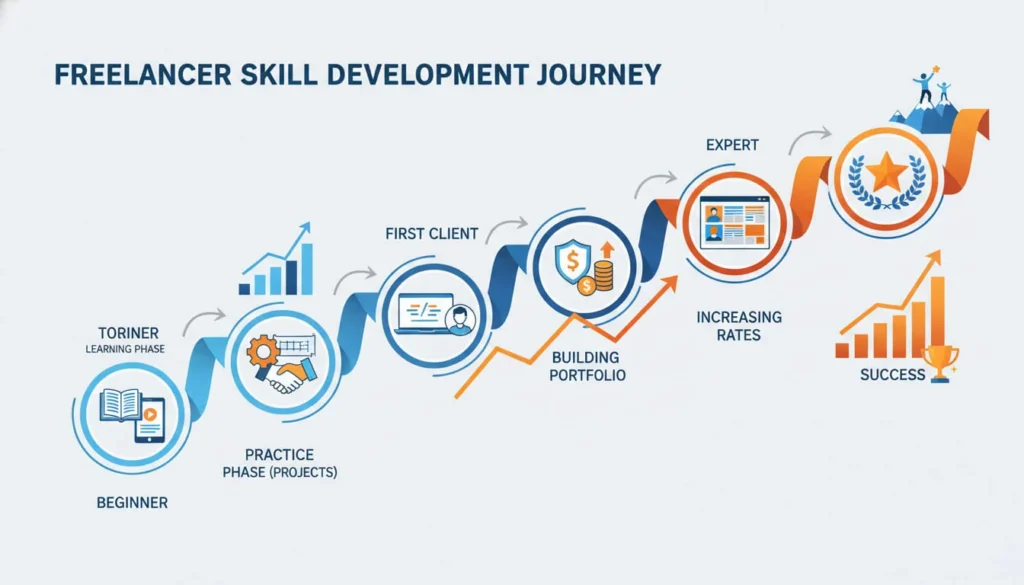
Consistency matters more than quantity. Spending 30-60 minutes daily on skill development through online courses, practice projects, or studying successful freelancers in your field yields better results than occasional marathon sessions.
Daily habits to learn skills for freelance marketplaces include watching tutorial videos, reading industry blogs, practicing your craft, and analyzing what top-rated freelancers in your niche do differently.
Which freelance websites offer free resources for skill-building tutorials?
Upwork Academy provides free courses on proposal writing, client communication, and platform navigation. Fiverr Learn offers both free and paid courses. LinkedIn Learning (accessible with a free trial) covers technical skills relevant to freelancing.
Beyond platform-specific resources, YouTube hosts countless free tutorials for every freelance skill imaginable. Combine these with practice projects to develop real competence.
How do I identify my strongest skills to highlight on freelance sites?
Start by listing activities you enjoy and perform well. Ask friends or colleagues what they think you excel at. Look for overlap between your interests, natural abilities, and market demand on freelance platforms.
Test different skills by taking small projects in various areas. Your strongest skill often reveals itself through positive client feedback and your own engagement level with the work.
What strategies help freelancers earn their first $100 on these platforms?
Start with smaller projects priced competitively to build reviews and testimonials. Your initial goal isn’t maximum earnings but establishing credibility on the platform. Once you have 5-10 positive reviews, you can gradually increase rates.
Focus on delivering exceptional quality and requesting reviews from satisfied clients. These testimonials become your most valuable marketing asset for attracting higher-paying projects.
Free practice options include creating projects for imaginary clients, offering services to local nonprofits, contributing to open-source projects if you’re a developer, or creating spec work to build your portfolio.
YouTube, free coding platforms like freeCodeCamp, and platform-specific resources provide extensive learning materials without cost. The key is applying what you learn through actual practice projects.
What common mistakes do new freelancers make on job platforms?
Common errors beginners make on freelance job boards include underpricing services to the point of devaluing their work, sending generic proposals, failing to ask clarifying questions before starting work, and over-promising to win projects.
Additional mistakes include neglecting profile optimization, giving up after a few rejections, and applying to every job rather than focusing on projects matching their skills. Success requires strategic effort, not just volume.
How do I track my learning progress to improve earnings potential?
Maintain a simple learning journal documenting what you study each day, skills you practice, and improvements you notice. Review this journal weekly to identify patterns and areas needing additional focus.
Track your earnings alongside learning activities to see correlations between skill development and income growth. This data helps you prioritize which skills yield the best return on your time investment.
Which platforms teach negotiation skills for higher freelance rates?
While platforms themselves rarely teach negotiation directly, observing successful freelancers and learning from client interactions provides practical negotiation education. Study how top-rated freelancers in your field present their value and structure their pricing.
External resources like business communication courses, books on negotiation, and freelancer community forums offer negotiation tips for higher rates on top freelance sites. Apply these principles gradually as your confidence and skills grow.
How can I use freelance websites to gain testimonials and build credibility?
Deliver excellent work on every project, regardless of size. After completing work successfully, politely ask satisfied clients for detailed reviews. Specific testimonials highlighting particular strengths carry more weight than generic praise.
Make it easy for clients to leave reviews by sending a brief message after project completion thanking them for their business and kindly requesting feedback. Most satisfied clients will gladly provide testimonials when asked directly.

Essential Skills for Success on Freelance Platforms
Beyond choosing the right platform, developing core competencies determines your success. Here are the fundamental skills that matter across all top freelancing sites:
Communication Skills
Clear communication prevents misunderstandings and builds trust with clients. This means writing professional messages, asking questions when requirements seem unclear, providing regular project updates, and managing client expectations honestly.
Time Management
Meeting deadlines consistently separates successful freelancers from those who struggle. Learn to estimate how long tasks actually take, build in buffer time for revisions, and communicate proactively if delays occur.
Self-Marketing
Your ability to present your skills compellingly directly impacts your earning potential. This includes writing engaging profile descriptions, creating portfolio samples that showcase your best work, and crafting personalized proposals that address client needs.
Continuous Learning
The freelance market evolves constantly. Motivation techniques for consistent skill practice on sites include setting learning goals, celebrating small wins, joining online communities of fellow learners, and tracking your improvement over time.
Your Step-by-Step Getting Started Guide
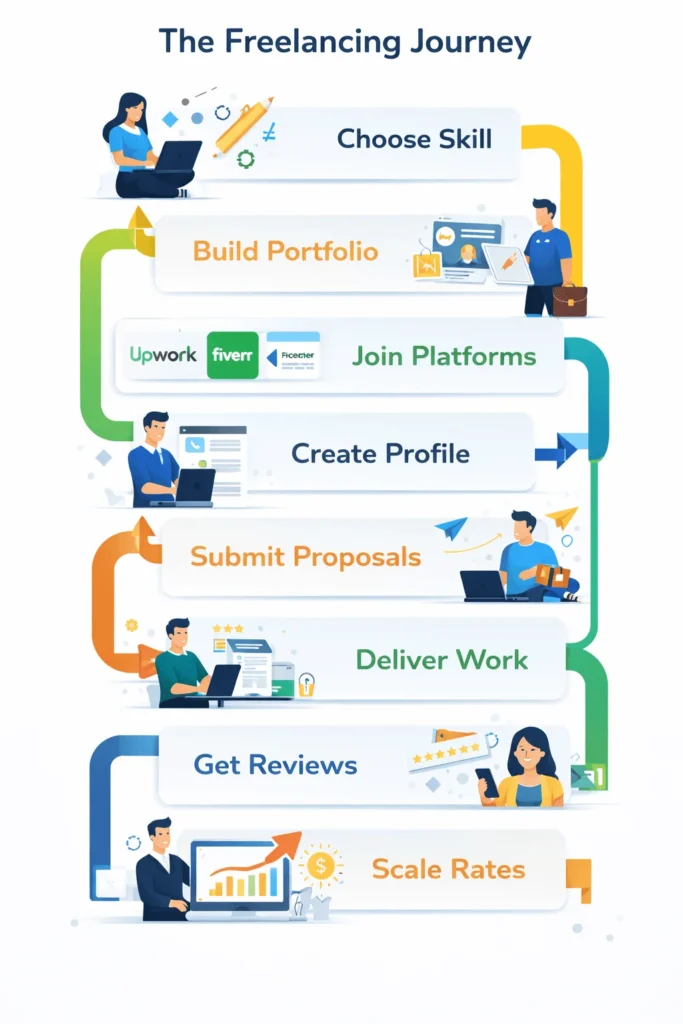
Ready to begin? Follow these practical steps to launch your freelancing journey on the right foundation:
Step 1: Choose One Skill to Develop
Don’t try mastering multiple skills simultaneously. Select one area matching your interests and market demand. Spend 2-4 weeks developing basic competency through free tutorials and practice projects.
Step 2: Create Portfolio Samples
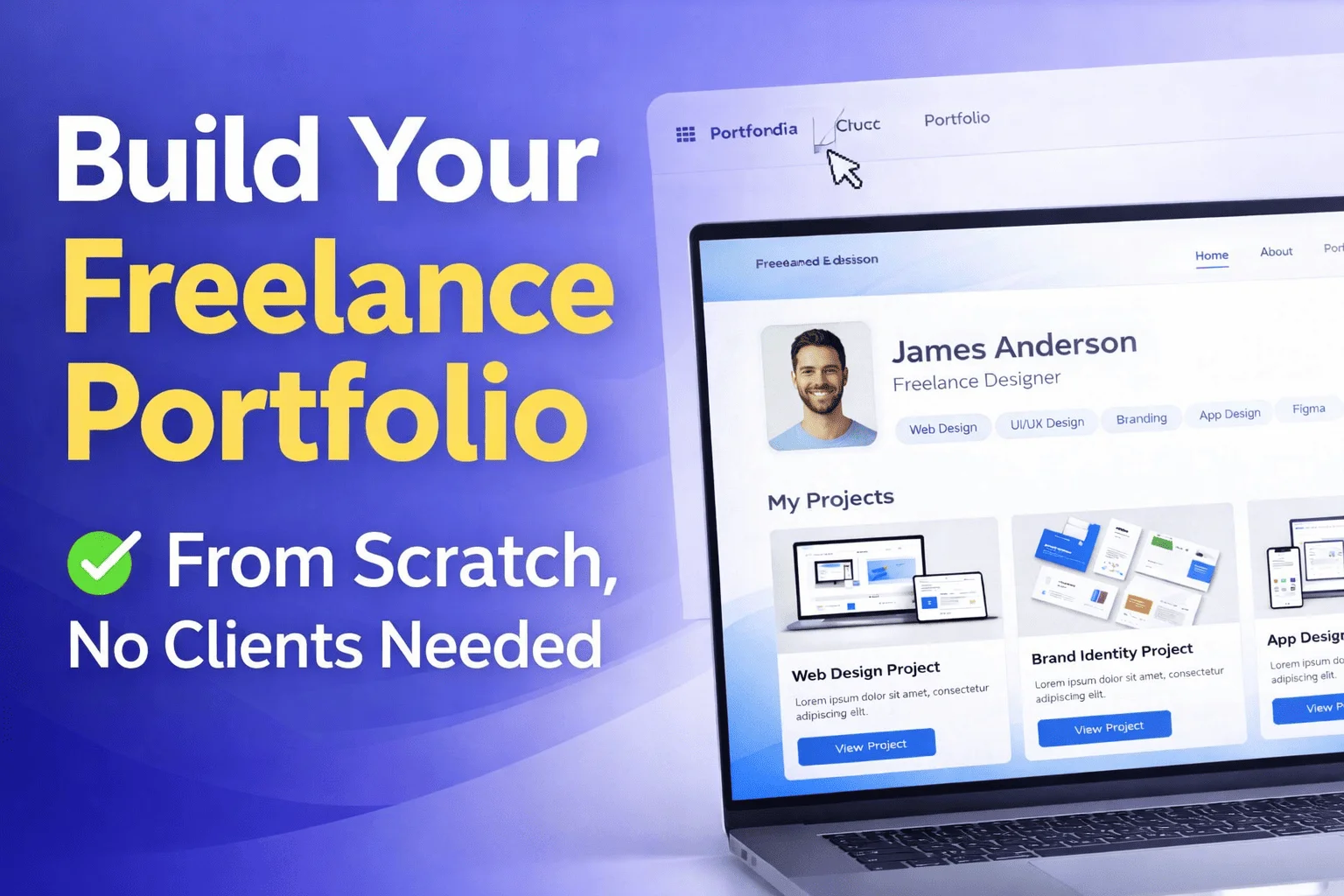
Before joining platforms, create 3-5 portfolio pieces demonstrating your skill. These can be practice projects, volunteer work, or spec work created specifically for your portfolio.
Step 3: Select 2-3 Platforms
Based on your chosen skill, select 2-3 platforms from this guide. Focus your energy on these rather than spreading yourself across every available site.
Step 4: Build Complete Profiles
Invest time creating thorough, professional profiles. Include a clear photo, detailed skill descriptions, portfolio samples, and a compelling overview explaining how you help clients.
Step 5: Submit Thoughtful Proposals
Start applying to projects matching your skill level. Personalize each proposal, address the client’s specific needs, and explain your approach to solving their problem.
Step 6: Deliver Exceptional First Projects
When you land your first projects, focus intensely on quality delivery. Ask for reviews and use early client feedback to improve your services.
Step 7: Gradually Scale Your Rates
After establishing positive reviews, incrementally increase your rates. Continue learning and improving your skills to justify higher pricing.
Continue Your Learning Journey
This guide provides your foundation for understanding the best freelance websites. To deepen your knowledge, explore these related topics on StartEarners.online:
- Essential Freelancing Skills Every Beginner Should Master
- How to Write Winning Freelance Proposals
- Building a Portfolio from Scratch: A Complete Guide
- Time Management Strategies for New Freelancers
- Setting Freelance Rates: A Beginner’s Pricing Guide
Conclusion: Your Freelancing Journey Starts With Learning
The top 10 best freelance websites for high-paying gigs provide the platforms, but your success depends entirely on the effort you invest in developing real skills. These platforms don’t hand out money—they connect prepared freelancers with clients who need their expertise.
Start with one skill. Master the basics through consistent daily practice. Build a portfolio showcasing your capabilities. Join 2-3 platforms that match your skillset. Submit thoughtful, personalized proposals. Deliver excellent work. Request reviews. Gradually increase your rates as your competence and reputation grow.
This process isn’t quick or easy. You’ll face rejection. You’ll struggle with difficult clients. You’ll question whether it’s worth continuing. But if you persist, consistently improve your skills, and maintain realistic expectations, freelancing can become a genuine source of income.
Remember that every successful freelancer you see on these platforms started exactly where you are now—uncertain, inexperienced, but willing to learn. The difference between those who succeed and those who give up isn’t talent or luck. It’s consistent effort toward skill development and the patience to build a reputation one project at a time.
Start learning today. Choose your skill. Create your first portfolio piece. The platforms are waiting, but more importantly, you’re capable of developing the expertise clients will pay for. Your freelancing journey begins with a single step toward becoming genuinely skilled at something valuable.
Take that first step today.