
Contents
- 1 Introduction: Is Remote Work Really for You?
- 2 What Is Remote Work and How Is It Different From an Office Job?
- 3 Remote Work Trends You Need to Know in 2026
- 4 What skills are essential to starting remote work without experience?
- 5 What Equipment Do You Need to Begin Remote Work From Home?
- 6 How to Find Legitimate Remote Work Opportunities as a Beginner
- 7 How Much Can Beginners Earn From Remote Work Monthly?
- 8 Free Online Courses to Help You Build Remote Work Skills
- 9 How Many Hours Per Week Are Typical for Entry-Level Remote Jobs?
- 10 Can Students Balance Remote Work With Their Studies?
- 11 Common Remote Work Schedules and Time Zones to Consider
- 12 How to Build a Resume for Remote Work Applications
- 13 What Daily Routines Improve Productivity in Remote Work?
- 14 How to Avoid Remote Work Scams and Verify Job Legitimacy
- 15 Frequently Asked Questions About Remote Work for Beginners
- 15.1 Q: How do I start remote work with no experience?
- 15.2 Q: What are the best skills for remote work beginners?
- 15.3 Q: Are there remote work opportunities for students?
- 15.4 Q: How do I improve my typing speed for remote jobs?
- 15.5 Q: What is the earning potential in remote data entry?
- 15.6 Q: How do I prepare for a remote work interview?
- 16 Conclusion: Your Remote Career Starts With One Step
Introduction: Is Remote Work Really for You?
Remote work is one of the fastest-growing career paths in the world today — and if you are a beginner, this guide is for you.
Remote work is not a quick-money scheme. It is not magic, and it will not make you wealthy overnight. But here is the good news: remote work is one of the most real, accessible, and growing career paths you can pursue today — especially if you are a beginner willing to learn.
But only if you do it the right way. Whether you are a student in the UK trying to pay your bills, a stay-at-home parent in Australia looking to contribute financially, a fresh graduate in Canada searching for flexibility, or someone in the USA tired of the daily commute—remote work could genuinely change your life. But only if you approach it the right way.
In this guide, I’ll show you the newest trends in remote work, the best jobs for beginners, and things you can do right now to get started. No hype, no fake promises of money, just honest, step-by-step help.
Let’s get started.
What Is Remote Work and How Is It Different From an Office Job?
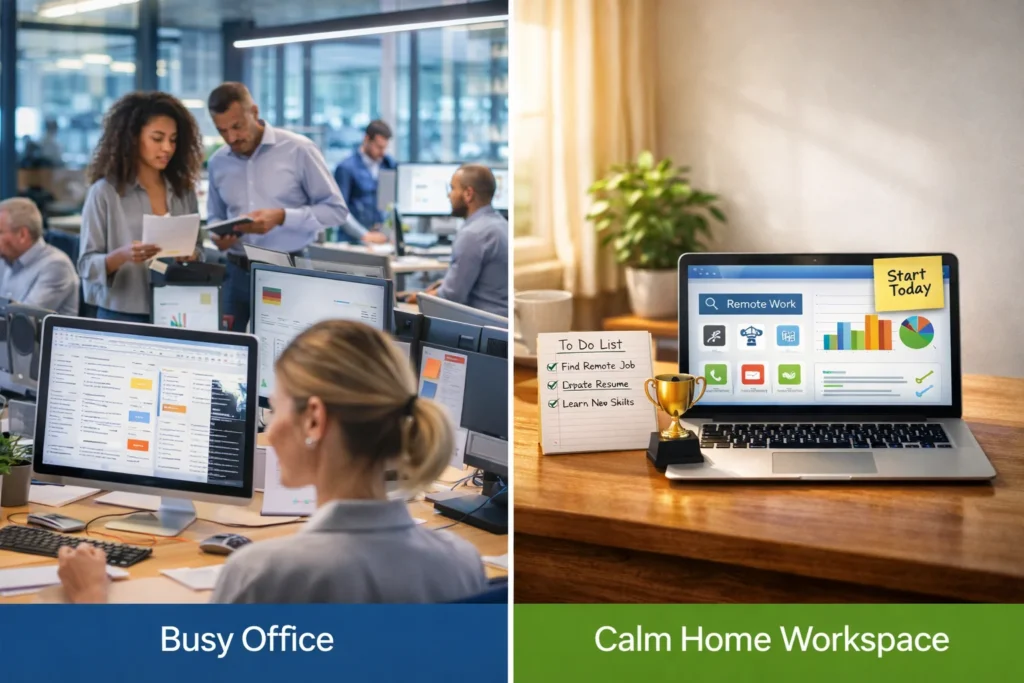
When you work remotely, you do your job from a place other than a regular office. This could be from home, a coffee shop, or anywhere else with a good internet connection.Remote work simply means doing your job from a location outside of a traditional office — usually from home, a coffee shop, or anywhere with a reliable internet connection.
Instead of going to a building, sitting at your desk, and working under direct supervision, you do your work from anywhere you want. What you do is more important than being there.
Here is a quick comparison to make it clearer:
| Feature | Office Job | Remote Work |
| Work Location | Fixed office space | Anywhere with internet |
| Commute | Required daily | None |
| Work Hours | Often 9–5 fixed | Flexible or set by employer |
| Supervision | Direct, in-person | Results-based, online |
| Communication | Face-to-face meetings | Email, Slack, video calls |
| Dress Code | Usually formal | Casual or none |
Remote work comes in different forms:
- Fully remote: You work 100% online with no office visits required.
- Hybrid: A mix of home and office days.
- Freelance remote: You work for multiple clients, not just one employer.
- Part-time remote: A few hours per week, ideal for students or beginners.
Remote Work Trends You Need to Know in 2026
The world of working from home has changed a lot in the last few years. This is what the current situation looks like, and here’s why now is a great time to start.
1. Remote Jobs Are Growing — Not Shrinking
Even though some companies are asking their employees to come back to the office, the demand for remote and flexible work is still growing. According to several reports on the workforce, millions of jobs in fields like tech, marketing, customer service, data entry, and education are still being advertised as fully remote or hybrid.
For beginners, this means the window of opportunity is still wide open.
2. Companies Are Hiring Globally
Companies in the US, UK, Canada, and Australia are actively hiring people from all over the world to work remotely. This is one of the biggest trends in remote work right now. If you have skills and access to the internet, this is great news. Your location matters less than your ability to do good work.
3. Skill-Based Hiring Is on the Rise
Employers are more and more interested in what you can do than in what degree you have. This is great news for people who are just starting out. LinkedIn, Upwork, and Indeed all favour candidates who can show that they have real skills, even if they do so through free courses and portfolio projects.
4. AI Tools Are Changing the Game
AI tools like ChatGPT, Canva AI, Grammarly, and others are making it easier for people who work from home to get more done. If you’re just starting out, learning how to use these tools correctly can actually give you an advantage over more experienced candidates who haven’t yet learned how to use them.
5. Digital Nomad Visas Are Expanding
Many countries, from Portugal to Costa Rica, now offer Digital Nomad Visas — legal permits that allow remote workers to live and work abroad for extended periods. While this might not be your first step, it is a real possibility as your remote career grows.
What skills are essential to starting remote work without experience?
A lot of beginners ask me, “I don’t have any experience—where do I even start?”
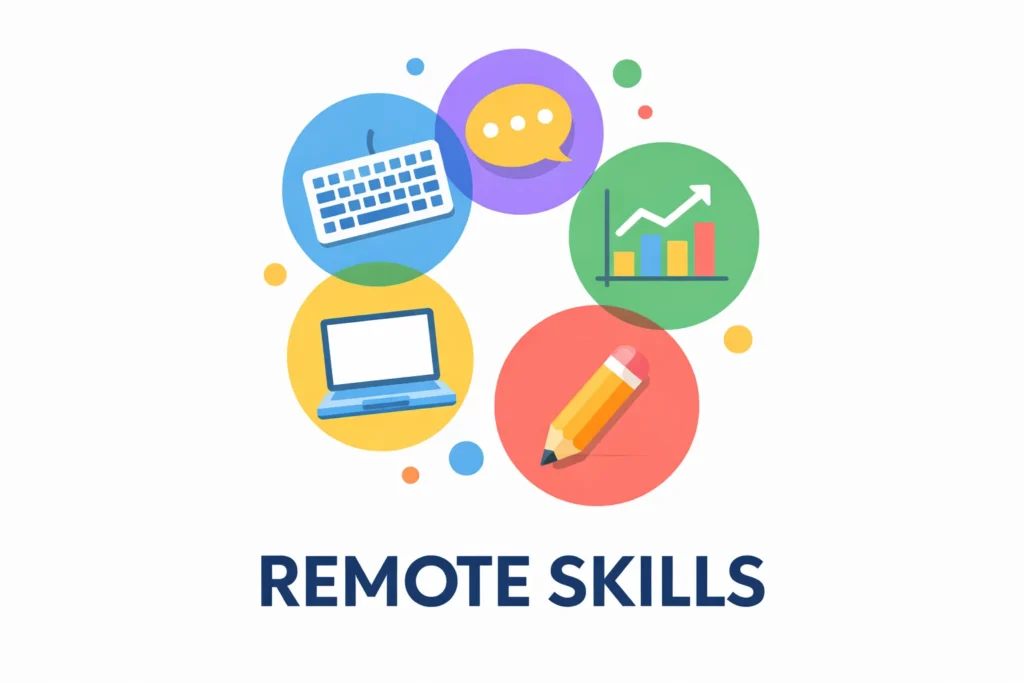
The answer is easy: start with skills that are in demand, easy to learn, and free to practise.
Core Skills Every Remote Worker Needs
- Communication skills: Written and verbal. Since you will not be face-to-face, clear communication is everything.
- Time management: Working independently means managing your own schedule without someone watching over you.
- Basic computer proficiency: Using email, Google Docs, spreadsheets, and video call tools like Zoom.
- Typing speed: Even 40–50 words per minute can be enough to start. You can improve this with free tools like TypingClub.
- Internet and file management: Understanding how to organise files, use cloud storage, and navigate online platforms.
In-Demand Remote Skills for Beginners in 2026
| Skill | Difficulty | Where to Learn Free | Job Types |
| Data Entry | Beginner | YouTube, Coursera | Freelance, Part-time |
| Virtual Assistant | Beginner | Alison, Skillshare | Full-time, Freelance |
| Content Writing | Beginner-Intermediate | HubSpot Academy | Freelance, Contract |
| Social Media Management | Beginner | Meta Blueprint, Hootsuite | Part-time, Freelance |
| Graphic Design (Basic) | Beginner | Canva Design School | Freelance, Gig work |
| Customer Support | Beginner | On-the-job training | Entry-level, Full-time |
| Transcription | Beginner | Rev resources, YouTube | Freelance, Part-time |
| Online Tutoring | Depends on subject | Platforms train you | Part-time, Flexible |
You don’t have to know how to do all of these. Choose one or two that interest you and work on those first. When you’re just starting out, it’s better to be consistent than to be different.
What Equipment Do You Need to Begin Remote Work From Home?
Good news: you do not need expensive equipment to get started. Here is the honest breakdown:
The Essentials (Must-Have)
- A computer or laptop: Does not need to be new. A mid-range Windows or Mac laptop from the last 5 years is fine for most entry-level jobs.
- Stable internet connection: A minimum of 10 Mbps download speed is usually enough for video calls and file uploads.
- A quiet workspace: Even a corner of your bedroom works. What matters is reducing distractions.
- A free email account: Gmail or Outlook.
- Basic software: Google Docs (free), Zoom (free), Slack (free tier available).
Nice to Have (But Not Essential at First)
- A dedicated monitor or second screen
- Noise-cancelling headphones
- An ergonomic chair
- A webcam (many laptops have one built-in)
A lot of new people make the mistake of waiting until they have all the right tools before they start. Don’t do that. Use what you have and improve it as you make money.
How to Find Legitimate Remote Work Opportunities as a Beginner
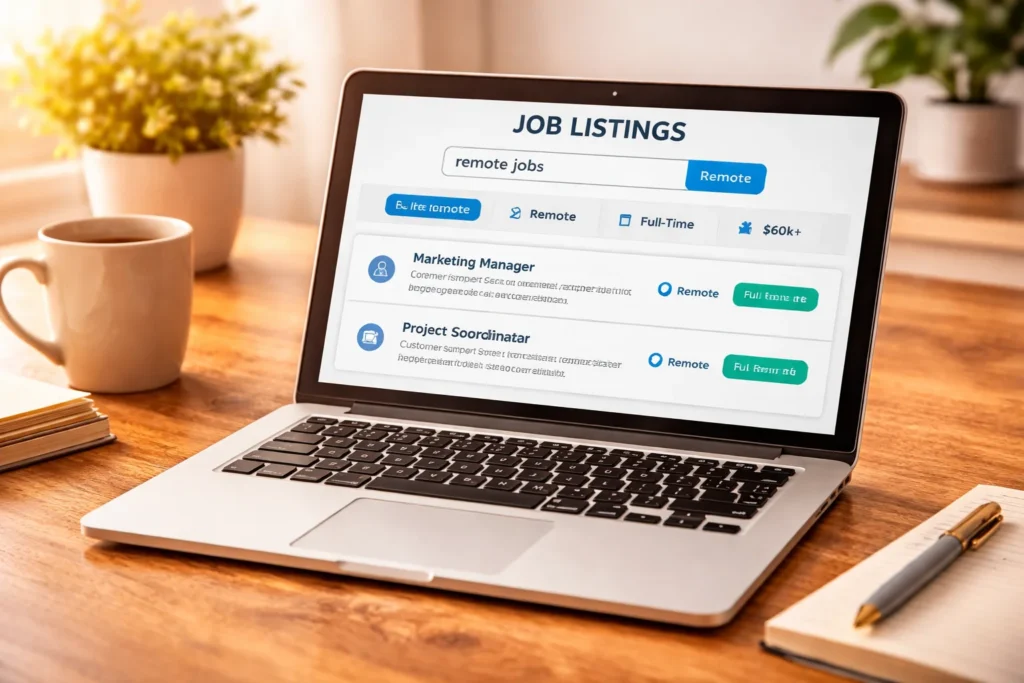
This is where a lot of beginners get stuck or, worse, fall for scams. Let me show you how to find real work-from-home jobs that are real.
Trusted Platforms for Entry-Level Remote Jobs
| Platform | Best For | Free to Use? | Skill Level |
| Professional jobs, networking | Yes (basic) | All levels | |
| Indeed | Part-time and full-time remote | Yes | Beginner-friendly |
| Upwork | Freelance projects | Yes (commission applies) | Beginner-Intermediate |
| Fiverr | Gig-based services | Yes | Beginner-friendly |
| Remote.co | Curated remote jobs | Yes | All levels |
| We Work Remotely | Tech and creative roles | Free to browse | Intermediate |
| FlexJobs | Vetted remote listings | Subscription required | All levels |
| Rev.com | Transcription | Yes | Beginners welcome |
Tips for Applying Successfully
- Customise every application. Generic CVs get ignored.
- Write a short, honest cover letter explaining your interest and what you can offer.
- Start small. Your first job might pay less — that is fine. You are building experience.
- Build a simple portfolio. Even three to five samples of your work can make a huge difference.
How Much Can Beginners Earn From Remote Work Monthly?
Let me give you realistic numbers. Earnings vary widely depending on your skill, location, hours worked, and the type of work.
| Role | Beginner Monthly Estimate (USD) | Hours Per Week | Growth Potential |
| Data Entry | $200 – $600 | 10–20 hrs | Low-Medium |
| Virtual Assistant | $300 – $800 | 15–30 hrs | High |
| Content Writing | $300 – $1,000 | 10–25 hrs | High |
| Social Media Manager | $300 – $900 | 10–20 hrs | High |
| Transcription | $150 – $500 | 10–20 hrs | Low |
| Online Tutor | $400 – $1,200 | 10–20 hrs | Medium-High |
| Customer Support Agent | $500 – $1,500 | 20–40 hrs | Medium |
| Graphic Design (Basic) | $300 – $900 | 10–20 hrs | High |
Important: These are rough guesses based on work done by beginners. How much money you make will depend on how quickly you learn new skills, how often you apply, and which platform or employer you work for.Important: These are estimates based on beginner-level work. Your actual earnings will depend on how fast you build your skills, how actively you apply, and which platform or employer you work with.
The most important thing to remember is that the potential to earn money from afar grows a lot over time. Most beginners start out working part-time and then move up to full-time work as they get better.
Free Online Courses to Help You Build Remote Work Skills
You do not need to spend money to start learning. Here are some excellent free resources:
General Remote Work & Productivity
- Google Digital Garage (digitalgarage.google.com) — Free certificates in digital skills
- Coursera (free audit options) — Courses from top universities
- edX (free audit) — Professional courses in data, writing, and more
- Alison.com — Free certifications in virtual assistance, business skills, and more
Specific Skill Learning
- HubSpot Academy — Free content writing, marketing, and SEO courses
- Canva Design School — Free graphic design training
- Meta Blueprint — Free social media marketing courses
- LinkedIn Learning (30-day free trial) — Wide range of professional skills
- TypingClub.com — Improve your typing speed for free
Tip: Complete at least one course before applying for jobs. Even a single certificate shows employers that you are serious and self-motivated.

How Many Hours Per Week Are Typical for Entry-Level Remote Jobs?
This varies greatly depending on the type of work you choose:
- Part-time freelance gigs: 5–20 hours per week. Great for students or beginners testing the waters.
- Contract remote roles: 20–30 hours per week. More structured, often with a consistent schedule.
- Full-time remote employment: 35–40 hours per week. Similar to a regular job but done from home.
For most beginners, I recommend starting with 10–15 hours per week. This gives you enough time to learn on the job without feeling overwhelmed, and it leaves room for studying and skill-building on the side.
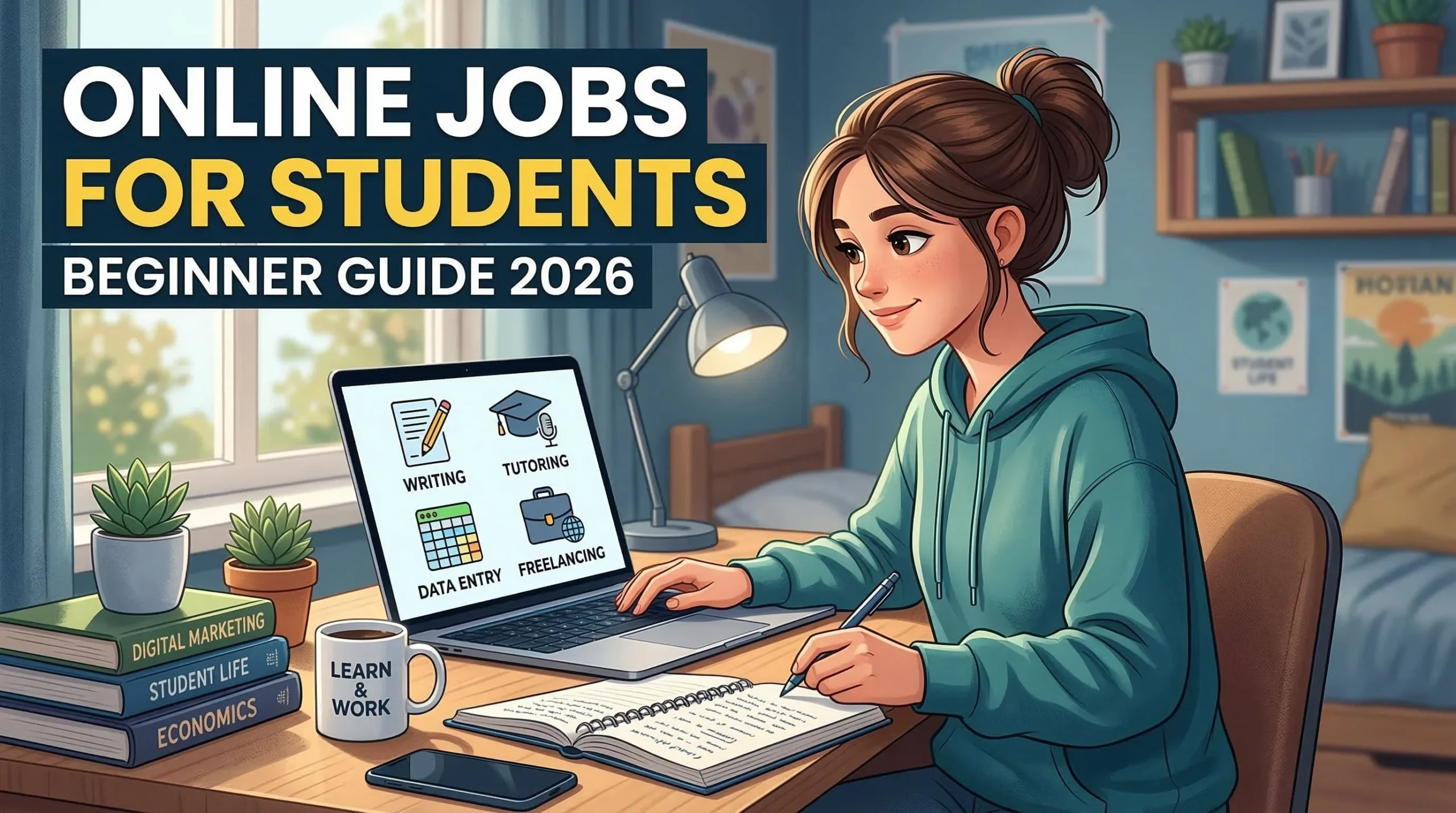
Can Students Balance Remote Work With Their Studies?
Absolutely — and many students are already doing it successfully. Here are a few strategies that work:
Practical Tips for Student Remote Workers
- Choose flexible gigs. Freelance transcription, data entry, or tutoring can be done on your own schedule.
- Work during evenings and weekends. Many remote platforms allow you to set your own hours.
- Start with 5–10 hours per week. Do not overcommit. Your studies come first.
- Use your student skills. If you are studying marketing, offer social media help. If you are in tech, try content writing about your field.
- Track your time carefully. Use free apps like Toggl or Google Calendar to plan your week.
Remote work taught alongside academic study can actually make your CV stronger than most of your classmates when you graduate.
Common Remote Work Schedules and Time Zones to Consider
One of the most underestimated challenges of remote work is time zones. Here is what you need to know:
Types of Remote Schedules
- Synchronous: You work during set hours aligned with your employer’s time zone (e.g., 9am–5pm EST if your client is in New York).
- Asynchronous: You complete tasks on your own schedule and meet deadlines, but do not have fixed hours. Common with freelance work.
- Hybrid schedules: A mix — some overlap hours required, but flexibility outside of that.
If you work with US or UK clients in Africa, Asia, or South America, you may have to work late at night or early in the morning to be available when they are. This is worth thinking about before you apply.
How to Build a Resume for Remote Work Applications
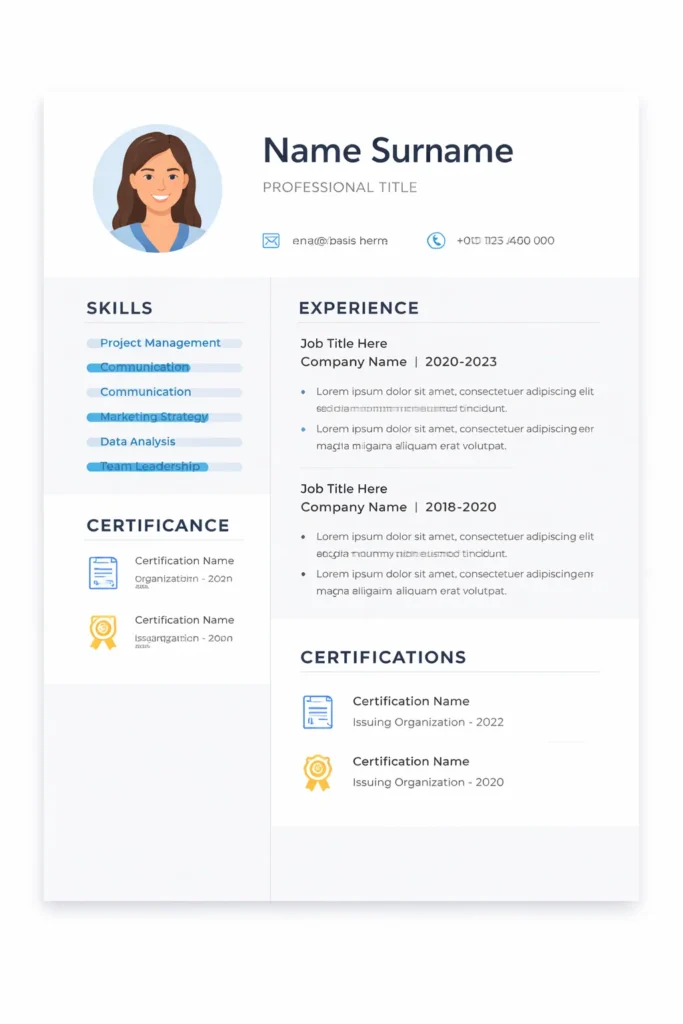
Your resume for a remote job needs to show more than just where you’ve worked. It should show that you are self-motivated, good with technology, and able to work alone.
What to Include in a Remote Work Resume
- A clear skills section: List your technical tools (Zoom, Slack, Trello, Google Workspace) and soft skills (communication, time management, problem-solving).
- Remote-relevant experience: Even volunteer work, school projects, or personal projects count. Did you manage a social media page? Write blog posts? That counts.
- Any free certifications: Add courses from Google, HubSpot, Coursera etc. These show initiative.
- A simple, clean format: Remote employers often scan dozens of CVs. Clarity wins over design complexity.
- A professional email address: Use your name, not nicknames. firstname.lastname@gmail.com is ideal.
You can make a resume that looks professional for free with tools like Canva, Resume.io, or Google Docs.You don’t have to pay anything to make a professional-looking resume with free tools like Canva, Resume.io, or Google Docs.
Our guide to making your first freelance portfolio will be available soon on StartEarners.online.
What Daily Routines Improve Productivity in Remote Work?
Working from home sounds easy until you try it. Without the structure of an office, it is easy to procrastinate, get distracted, or work too much and burn out. Here is a daily routine that many successful remote workers swear by:
Sample Productive Remote Work Day
| Time | Activity |
| 7:00 – 7:30 AM | Wake up, light exercise or stretching |
| 7:30 – 8:00 AM | Healthy breakfast, review daily task list |
| 8:00 – 10:00 AM | Deep focus work session (most important tasks) |
| 10:00 – 10:15 AM | Short break — step outside or make tea |
| 10:15 AM – 12:30 PM | Emails, communication, collaborative tasks |
| 12:30 – 1:30 PM | Lunch break (step away from your screen) |
| 1:30 – 3:30 PM | Second deep work session or skill learning |
| 3:30 – 4:00 PM | Review what you completed, plan tomorrow |
| 4:00 PM onwards | Rest, family time, personal development |
Remote Work Productivity Hacks for Beginners
- Use the Pomodoro technique: Work for 25 minutes, rest for 5. Repeat four times, then take a longer break.
- Keep your workspace separate from your relaxation space if possible.
- Turn off social media notifications during work hours.
- Set a clear end time for your workday. Overworking is a real problem with remote work.
- Communicate regularly with your employer or clients. Silence makes remote managers nervous.
How to Avoid Remote Work Scams and Verify Job Legitimacy
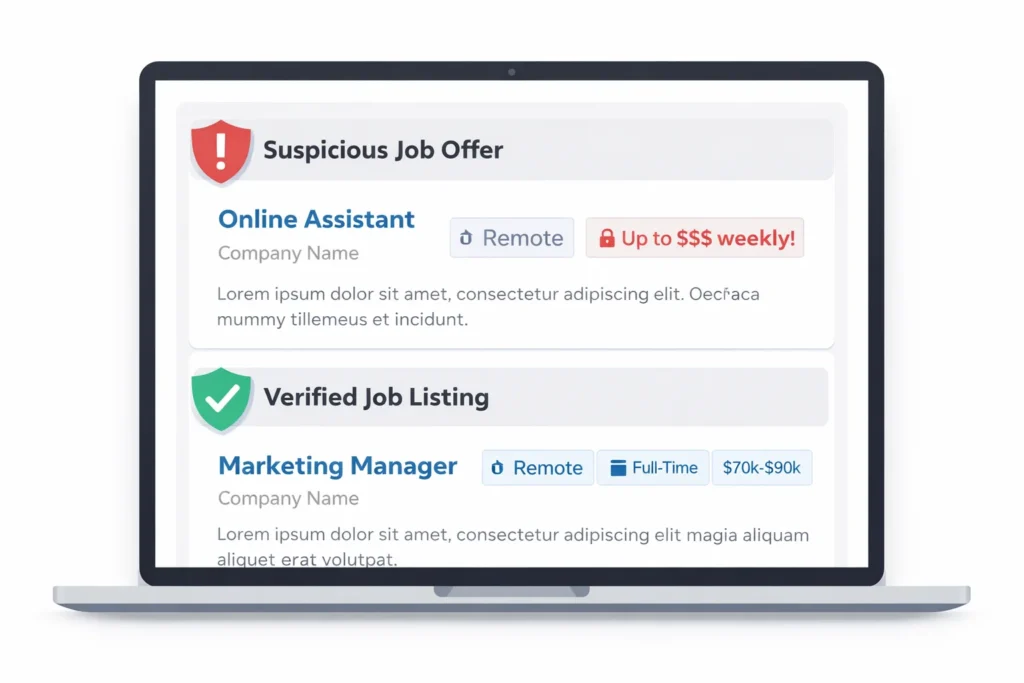
This is one of the most important parts of this guide. There are real scams for people who work from home, and they often target new workers. This is how to keep yourself safe:
Common Remote Work Scams to Avoid
- Upfront payment requests: Legitimate employers never ask you to pay to get a job. If they do — run.
- Too-good-to-be-true earnings: Jobs offering $500/day for zero-skill work do not exist. Period.
- Vague job descriptions: If the job posting is unclear about what you will actually do, be suspicious.
- No interview process: Real companies want to talk to you before hiring you.
- Requests for personal documents upfront: Never send your passport, bank details, or national ID to an employer you have not verified.
How to Verify a Remote Job is Legitimate
- Research the company on LinkedIn, Google, and Glassdoor.
- Check that the company has a real website with contact information.
- Look for reviews from previous employees on Glassdoor or Indeed.
- Use trusted job platforms that vet their listings (like We Work Remotely or FlexJobs).
- Trust your instincts. If something feels wrong, it probably is.
Being safe online is part of having a long-lasting career from home. Coming soon to StartEarners.online: our guide on how to spot fake online jobs.
Frequently Asked Questions About Remote Work for Beginners
Q: How do I start remote work with no experience?
Pick one easy skill to learn, like data entry, transcription, or virtual assistance, and then take a free online course in that area. Then make profiles on sites like Upwork or Fiverr, put together two or three examples of your work, and start looking for small, entry-level jobs. Your first job pays less, but it helps you build your confidence and reputation.
Q: What are the best skills for remote work beginners?
Data entry, social media management, writing content, virtual assistance, and online tutoring are some of the easiest remote skills to learn. All of these have free learning materials and real demand from employers all over the world.
Q: Are there remote work opportunities for students?
Yes. Many freelance platforms allow you to work as few as five hours per week. Transcription, tutoring, and social media work are particularly flexible for students managing academic schedules.
Q: How do I improve my typing speed for remote jobs?
Try free tools like Keybr.com or TypingClub.com. If you practise for 15 to 20 minutes every day, you’ll get a lot faster in just a few weeks.
Q: What is the earning potential in remote data entry?
People who are just starting out with data entry usually make between $150 and $500 a month working part-time. It’s not the best-paying job, but it’s one of the easiest to get into and doesn’t need much experience.
Q: How do I prepare for a remote work interview?
Check your internet connection, camera, and microphone before the interview. Even if you’re at home, dress professionally. Look into the company, get examples of your past work or projects ready, and be ready to talk about how you manage your time on your own.
Conclusion: Your Remote Career Starts With One Step
Remote work in 2026 is not just a trend — it is a legitimate career path that millions of people around the world are building, one skill at a time.
You do not need to have everything figured out before you start. You just need to:
- Choose one skill to focus on first
- Complete at least one free course
- Create a profile on a trusted platform
- Apply consistently and learn from each experience
Not everyone who works remotely is the best at what they do; the best are the ones who do it consistently. They show up, learn, get better, and keep going even when things get hard.The people who succeed in remote work are not necessarily the most talented — they are the most consistent. They show up, they learn, they improve, and they keep going even when it gets tough.
Begin your studies today. Step by step, improve your skills. And return to StartEarners.for more honest, useful guides on how to make money online the right way.

📚 Related Guides on StartEarners.online
→ How to Start Online Data Entry Jobs the Right Way: 7 Proven Steps for Beginners
→ 10 Online Survey Jobs: The Complete Beginner’s Guide to Earning the Right Way (2026)
→ Best Online Jobs for Students: The Ultimate Beginner’s Guide to Earning While You Learn (2026)
→ 15 Remote Jobs You Can Do From Home in 2026 (Beginner’s Honest Guide)