
I remember sitting at my desk, scrolling through countless job boards, wondering if I could really make money working from home. Maybe you’re in the same place right now. You’ve heard about freelance jobs, you’re curious about the freedom they offer, but you’re not sure where to start or if it’s even possible for someone with no experience.
Here’s the truth I wish someone had told me earlier: freelance jobs aren’t about getting rich overnight. They’re about building real skills, creating genuine value for clients, and gradually building a career that gives you flexibility and control over your time.
In this guide, I’ll walk you through everything you need to know about starting freelance jobs as a complete beginner. We’ll cover what freelancing really means, how to develop the right skills, where to find your first opportunities, and how to avoid the common mistakes that trip up newcomers.
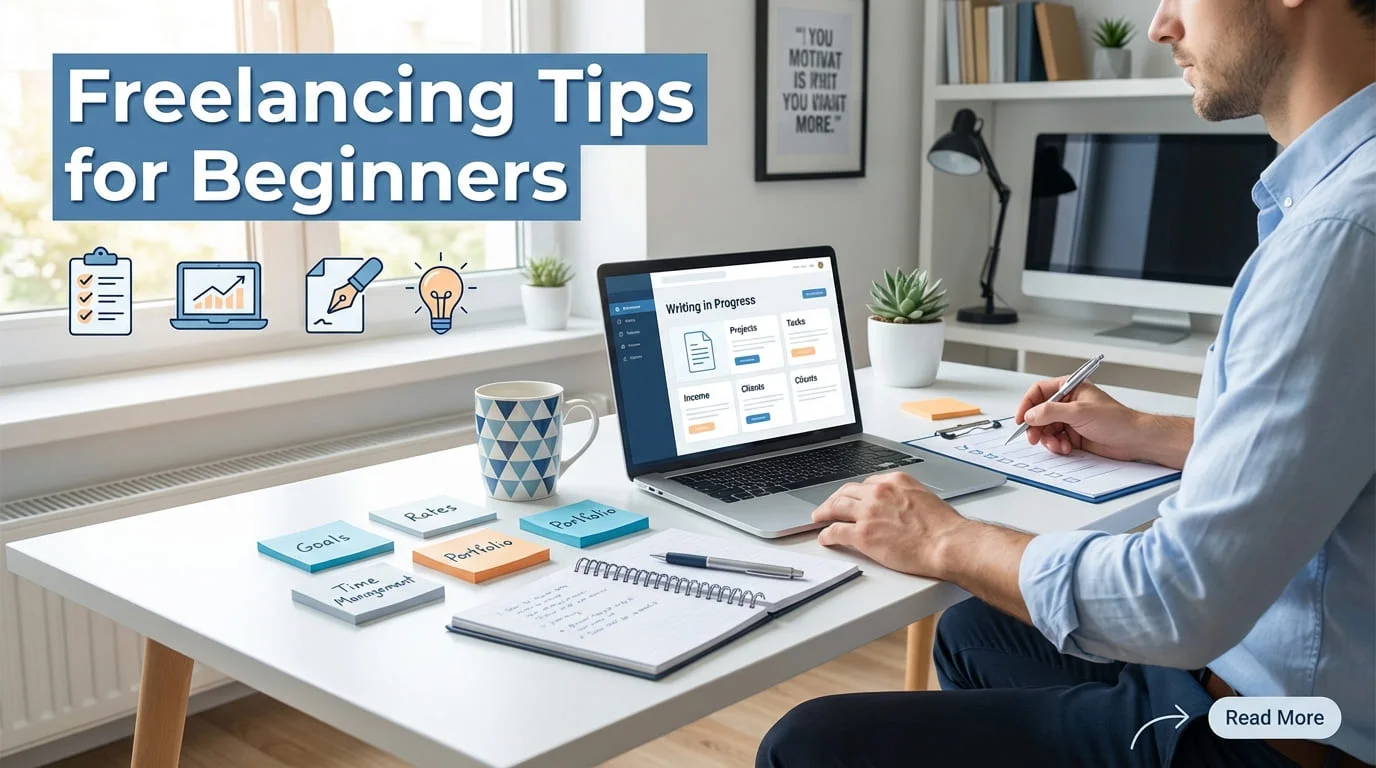
[Insert image showing a beginner-friendly online work setup with laptop and notebook]

Contents
- 1 What Are Freelance Jobs?
- 2 Can You Start Freelance Jobs with No Experience?
- 3 Essential Skills for Entry-Level Freelance Jobs
- 4 Where to Find Entry-Level Freelance Jobs Online
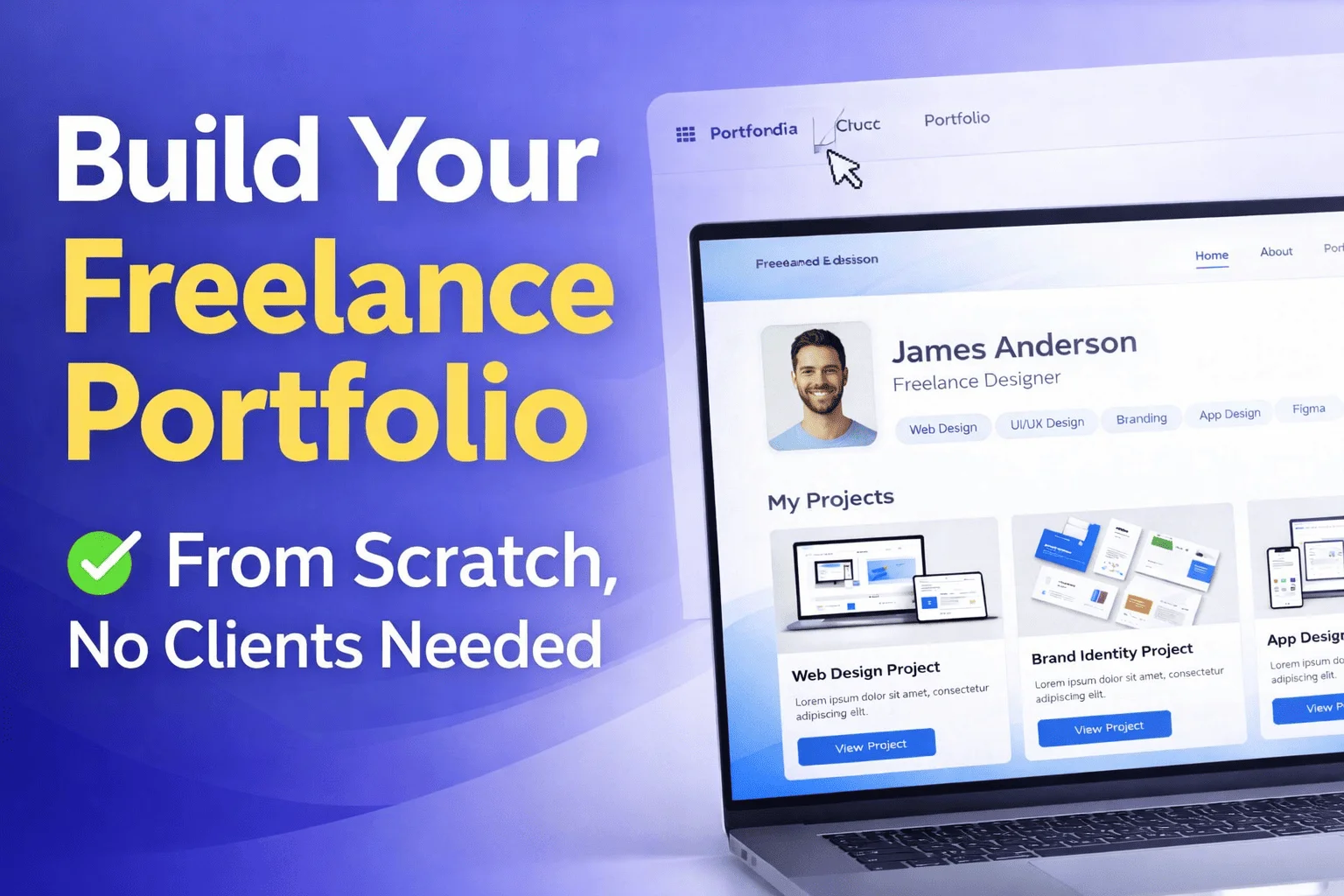
- 5 How to Build a Portfolio for Freelance Jobs
- 6 How to Get Your First Freelance Job Client
- 7 How Much Can Beginners Earn from Freelance Jobs?
- 8 Common Challenges Beginners Face in Freelance Jobs
- 9 How to Avoid Scams in Freelance Jobs
- 10 Can You Do Freelance Jobs Part-Time?
- 11 Is Freelancing Stable for Long-Term Earning?
- 12 Best Freelance Jobs for Students
- 13 Scaling Up from Beginner Freelance Jobs
- 14 How to Get Approved on Freelance Job Platforms
- 15 Frequently Asked Questions About Freelance Jobs
- 16 Final Thoughts: Your Freelance Journey Starts Today
What Are Freelance Jobs?
Before we dive into the how-to, let’s clear up what freelance work actually means. A freelance job is when you work independently for clients on a project basis, rather than being employed by a single company. You’re essentially running your own small business, offering your skills and services to different clients.
Freelance work covers a huge range of services. You could be writing blog posts, designing websites, managing social media accounts, providing virtual assistance, doing data entry, creating graphics, or offering consulting in your area of expertise. The beauty of freelance jobs is that there’s room for almost every skill set.
What makes freelance jobs different from traditional employment? You choose your clients, set your own schedule, and often work from anywhere with an internet connection. But with this freedom comes responsibility. You’re in charge of finding clients, managing your workload, and handling your own taxes and finances.
Can You Start Freelance Jobs with No Experience?
This is probably the question weighing on your mind right now. The short answer is yes, but you need to approach it strategically.
When I started, I didn’t have a fancy degree or years of corporate experience. What I had was willingness to learn and the patience to start small. Many successful freelancers began exactly where you are now.
The key is choosing the right type of freelance work for beginners. Some services require less upfront expertise and have lower barriers to entry. For example:
- Virtual assistant tasks like email management, scheduling, and basic research
- Data entry and transcription work
- Social media management for small businesses
- Content writing if you have strong language skills
- Basic graphic design using beginner-friendly tools
You don’t need a degree for most freelance jobs. What clients care about is whether you can deliver results. That said, you do need to invest time in learning and skill development before expecting significant income.
Essential Skills for Entry-Level Freelance Jobs
Let’s talk about the skills you actually need. I’m going to be honest with you, some skills matter more than others when you’re just starting out.
Technical Skills
The specific technical skills you need depend on the type of freelance work you choose. But here are some commonly requested skills for beginner freelance jobs:
- Writing and editing: Clear communication skills, grammar, and the ability to adapt your tone to different audiences
- Basic design tools: Canva, Figma, or Adobe Creative Suite for simple graphics
- Digital marketing basics: Understanding social media platforms, basic SEO concepts, email marketing
- Data management: Excel or Google Sheets, database management, research skills
- Web tools: WordPress basics, project management platforms, communication tools like Slack or Zoom
Soft Skills That Matter More Than You Think
Technical skills will get you in the door, but soft skills will keep you employed. These are often overlooked by beginners:
- Communication: Responding to clients promptly, asking clarifying questions, setting clear expectations
- Time management: Meeting deadlines, juggling multiple projects, knowing when to say no
- Problem-solving: Finding solutions independently, adapting when things don’t go as planned
- Self-motivation: Working without a boss looking over your shoulder, pushing through slow periods
- Professionalism: Treating clients with respect, delivering quality work even for small projects
Where to Find Entry-Level Freelance Jobs Online
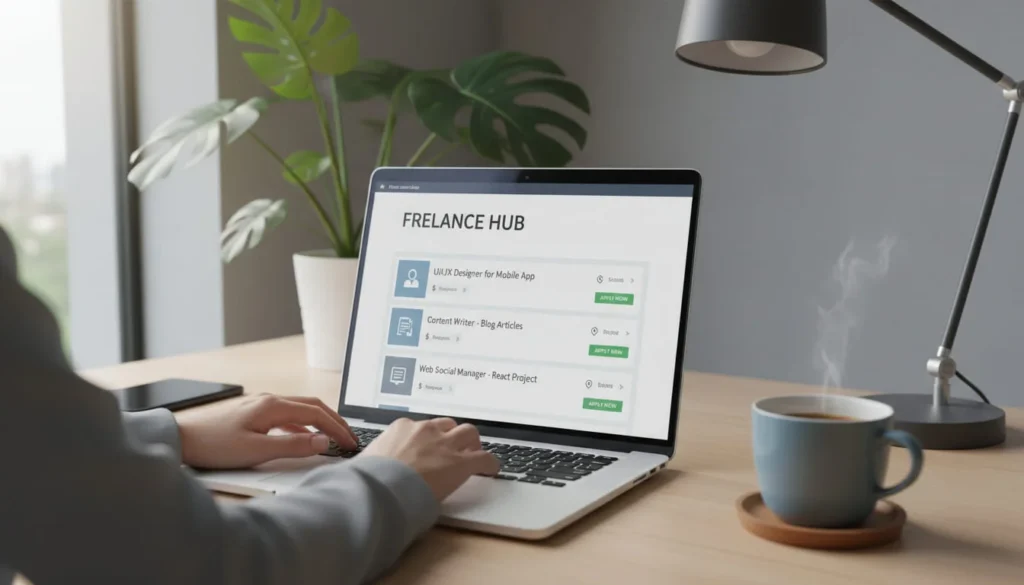
Once you’ve identified your skills and area of focus, the next step is finding actual work. There are several freelance job platforms where beginners can find opportunities.
Popular Freelance Job Platforms for Beginners
| Platform | Best For | Skill Level |
| Upwork | Wide range of skills, established clients, long-term projects | Beginner to Expert |
| Fiverr | Quick gigs, creative services, set your own packages | Beginner-friendly |
| Freelancer.com | Competitive bidding, diverse job categories, contests | Beginner to Expert |
| PeoplePerHour | Hourly and project-based work, European clients | Beginner to Expert |
| Guru | Professional services, invoicing tools, secure payments | Intermediate |
Each platform has its own culture and approval process. Don’t get discouraged if you’re not immediately approved on all of them. Focus on creating a strong profile on one or two platforms first, then expand as you gain experience.
How to Build a Portfolio for Freelance Jobs
Here’s the classic catch-22: clients want to see your work before hiring you, but how do you get work to showcase if no one will hire you yet?
The solution is to create your own portfolio pieces. Yes, this means doing some work for free initially, but you’re working for yourself, not for someone else.
Portfolio-Building Strategies
- Create sample projects: If you’re a writer, write sample blog posts on topics you understand. If you’re a designer, create mock logos or social media graphics.
- Offer services to local businesses: Many small businesses need help with basic tasks. Offer to manage their social media or update their website in exchange for a testimonial.
- Volunteer your skills: Non-profit organizations often need volunteer help and will provide references for your work.
- Take on micro-projects: Small, low-paying gigs can help you build initial reviews and portfolio pieces.
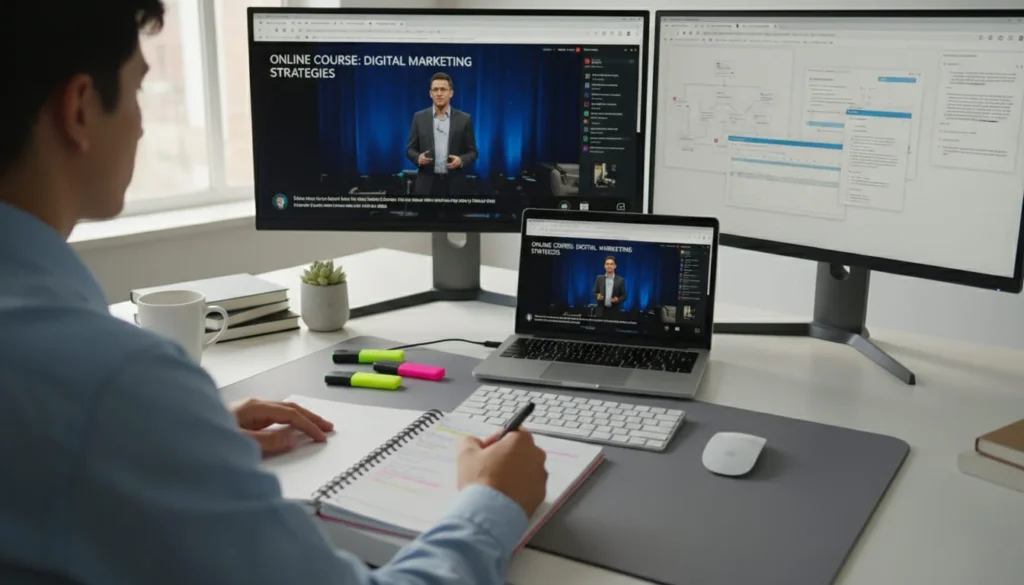
- Document your learning: If you’re taking online courses or tutorials, create projects based on what you learn and showcase them.
Your portfolio doesn’t need to be fancy. A simple website created with free tools like Wix, WordPress, or even a well-organized Google Drive folder can work when you’re starting out.

How to Get Your First Freelance Job Client
Landing that first client is often the hardest part. You’ll face rejection, and that’s completely normal. I applied to dozens of projects before getting my first yes.
Crafting Winning Proposals
When you apply for freelance jobs, your proposal is everything. Here’s how to write one that gets noticed:
- Read the job posting carefully: Address exactly what the client is asking for, not what you think they might want.
- Personalize each proposal: Never send generic copy-paste messages. Mention specific details from their project.
- Keep it concise: Busy clients don’t want to read essays. Get to the point in 3-4 paragraphs.
- Show your understanding: Demonstrate that you understand their problem and explain briefly how you’d approach it.
- Include relevant samples: Attach 1-2 portfolio pieces that relate to this specific project.
- Be realistic about pricing: As a beginner, you’ll likely charge less than experienced freelancers. That’s okay initially.
Setting Yourself Apart as a Beginner
You can’t compete on experience yet, so compete on enthusiasm, reliability, and communication. Respond quickly to messages, ask thoughtful questions, and deliver on time. These basics will put you ahead of many freelancers.

How Much Can Beginners Earn from Freelance Jobs?
Let’s have an honest conversation about money. I’m not going to promise you’ll make thousands of dollars in your first month, because that’s not realistic for most beginners.
Your earnings will depend on several factors: your skill level, the services you offer, how much time you invest, and how effectively you market yourself.
Typical Beginner Earnings by Service Type
| Service Type | Beginner Rate | Experienced Rate |
| Content Writing | $10-25 per hour or $0.03-0.08 per word | $30-100+ per hour or $0.15-0.50+ per word |
| Virtual Assistant | $8-20 per hour | $25-60+ per hour |
| Graphic Design | $15-30 per hour | $40-150+ per hour |
| Social Media Management | $12-25 per hour | $30-80+ per hour |
| Data Entry | $8-15 per hour | $18-35 per hour |
These are general ranges and can vary based on your location, the client’s budget, and the complexity of the work. Remember, you’ll gradually increase your rates as you gain experience and build a reputation.
Common Challenges Beginners Face in Freelance Jobs
I want to prepare you for the challenges you’ll face, because knowing about them helps you navigate them better.
Finding Consistent Work
The feast-or-famine cycle is real in freelancing. Some weeks you’ll have more work than you can handle, others you’ll struggle to find anything. The solution is building a pipeline of potential clients and not relying on a single source of work.
Dealing with Difficult Clients
Not every client will be a dream to work with. You’ll encounter unclear expectations, scope creep, and sometimes non-payment. Set clear boundaries from the start, use contracts even for small projects, and don’t be afraid to walk away from problematic situations.
Managing Your Time and Multiple Projects
Without a structured workday, it’s easy to either work too much or procrastinate. Use project management tools, set specific work hours, and be realistic about how much you can take on.
Pricing Your Services
Many beginners either undercharge out of desperation or overcharge out of inexperience. Research what others in your field charge, factor in the time it will take you to complete the work, and remember that it’s okay to start lower and increase your rates as you improve.
How to Avoid Scams in Freelance Jobs
Unfortunately, scammers target freelancers, especially beginners who are eager to land work. Here’s how to protect yourself:
- Red flag: Clients asking for money upfront for training, equipment, or software
- Red flag: Jobs that seem too good to be true with unrealistic pay for minimal work
- Red flag: Clients who won’t communicate through the platform’s official channels
- Red flag: Requests for personal banking information before you’ve been hired
- Red flag: Vague job descriptions with no clear deliverables
Always use the platform’s payment system rather than accepting direct payments when you’re starting out. The fees are worth the protection.
Can You Do Freelance Jobs Part-Time?
Absolutely. In fact, I recommend starting part-time if you have another source of income. This removes the pressure to earn immediately and gives you space to learn without financial stress.
Many successful freelancers started with just a few hours per week while keeping their day job. You can work evenings, weekends, or whatever schedule fits your life. The flexibility is one of the biggest advantages of freelance work.
Just be upfront with clients about your availability. If you can only work certain hours or have limited capacity, communicate that clearly. Many clients are happy to work with part-time freelancers as long as expectations are set properly.
Is Freelancing Stable for Long-Term Earning?
This is an important question, and the honest answer is: it depends on how you build your freelance career.
Freelancing can be as stable or unstable as you make it. The key to stability is:
- Building long-term client relationships: Retainer clients who provide consistent monthly work are more valuable than one-off projects.
- Diversifying your income streams: Don’t rely on a single client or platform for all your income.
- Continuously improving your skills: The freelance market is competitive. Stay relevant by learning new skills.
- Managing your finances wisely: Save during good months to cover slower periods. Set aside money for taxes.
- Building your reputation: Positive reviews and testimonials make it easier to find new work.
Many freelancers earn stable, full-time incomes. It takes time to get there, but it’s absolutely possible with the right approach.
Best Freelance Jobs for Students
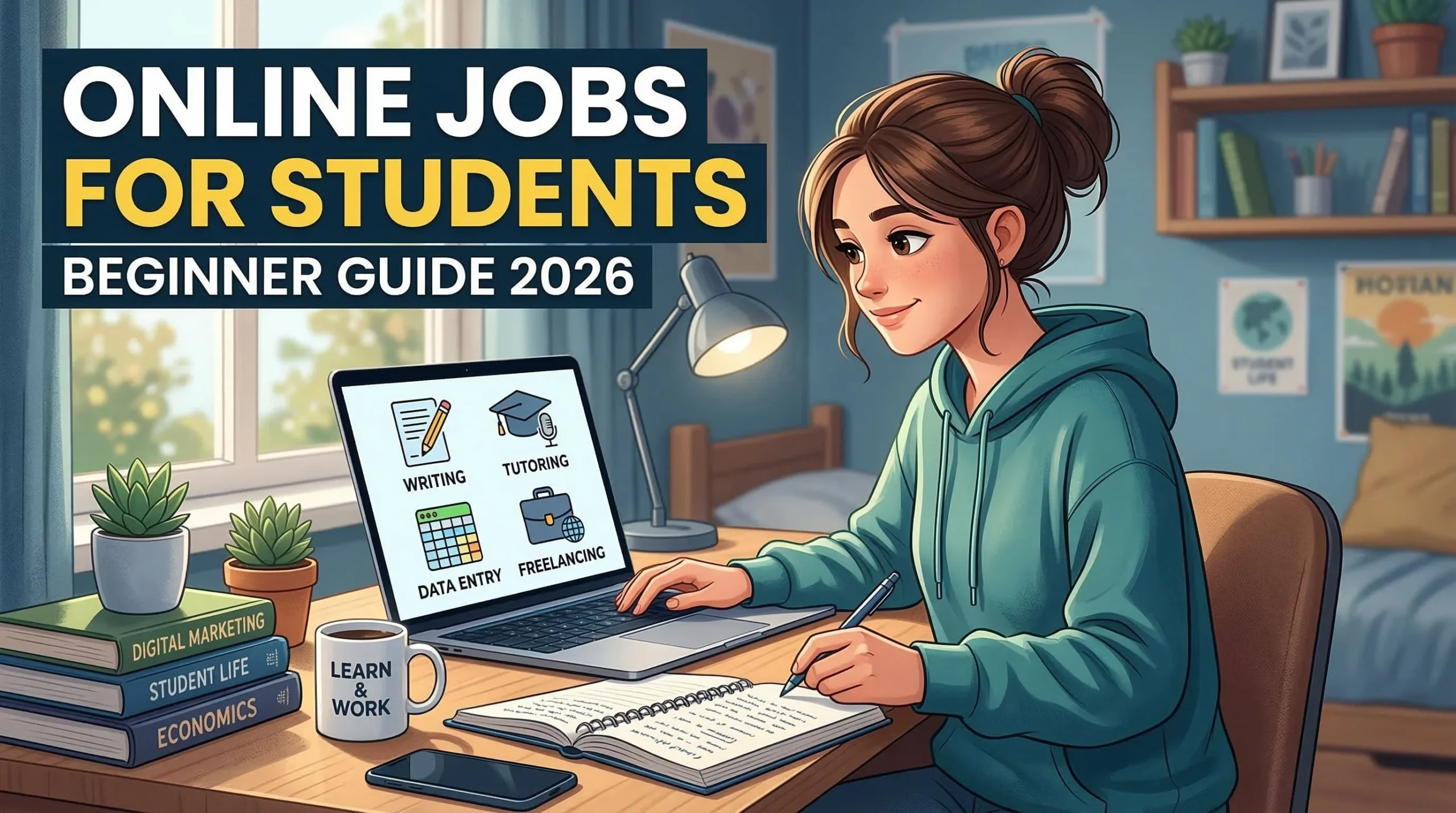
Students are actually in a great position to start freelance work. You have flexible schedules, you’re already learning new skills, and you can start building income before graduation.
The best freelance jobs for students are ones that fit around your class schedule and don’t require massive time commitments:
- Tutoring: Use your knowledge in subjects you excel at to help other students online
- Academic writing assistance: Help with proofreading, editing, or research (ethically)
- Social media management: Many students are already experts at social media platforms
- Content creation: Writing blog posts, creating graphics, or making videos
- Transcription: Flexible timing and requires only basic skills to start
- Virtual assistance: Email management, scheduling, and administrative tasks
The experience you gain now will be valuable when you enter the full-time job market, regardless of whether you continue freelancing.
Scaling Up from Beginner Freelance Jobs
Once you’ve established yourself with entry-level work, the next step is increasing your income and taking on more challenging projects.
Strategies for Growth
- Specialize: Rather than being a generalist, become known for expertise in a specific niche
- Raise your rates gradually: As you gain testimonials and portfolio pieces, increase your pricing
- Seek retainer clients: Focus on building relationships that provide consistent monthly work
- Invest in professional development: Take courses, earn certifications, stay current with industry trends
- Build your personal brand: Create a professional website, be active on LinkedIn, share your expertise
- Get strategic with your time: Focus on high-paying clients and projects that align with your goals
The path from beginner to advanced freelancer takes time. Be patient with yourself and celebrate small wins along the way.

How to Get Approved on Freelance Job Platforms
Some freelance platforms have approval processes or require you to pass tests before you can start bidding on jobs. Here’s how to improve your chances:
- Complete your profile thoroughly: Fill in every section, add a professional photo, write a compelling overview
- Take skill tests seriously: If the platform offers skill assessments, prepare for them and score well
- Upload quality portfolio samples: Even if they’re practice projects, make them look professional
- Write a clear service description: Explain what you do and who you help in simple, specific terms
- Be patient: Some platforms review applications manually, which can take time
Frequently Asked Questions About Freelance Jobs
How do freelancers get paid for jobs?
Payment methods vary by platform and client. Most freelance job sites use secure payment systems where clients deposit funds in escrow before work begins. Once you complete the work, the platform releases payment to you. Common payment methods include direct deposit, PayPal, Payoneer, or wire transfer. Some platforms charge fees for processing payments, typically 5-20% of your earnings.
Do I need special equipment to start freelance work?
For most beginner freelance jobs, you just need a reliable computer and stable internet connection. Depending on your field, you might eventually invest in software subscriptions, a better microphone for calls, or design tools. But start with what you have and upgrade as you earn.
How long does it take to get established as a freelancer?
This varies widely. Some people land their first client within weeks, while others take several months to build momentum. Typically, expect 3-6 months before you have consistent work, and 1-2 years before you’re earning a full-time income. Don’t compare your timeline to others. Focus on steady progress.
Should I create a business entity for freelancing?
As a beginner, you can start as a sole proprietor without forming an LLC or corporation. As your income grows, consult with a tax professional about whether forming a business entity makes sense for your situation. The requirements vary by country and region.
What’s the difference between freelancing and remote jobs?
Freelancing means you’re self-employed and work with multiple clients on a project basis. Remote jobs are traditional employment positions that allow you to work from home for a single employer. Both offer location flexibility, but freelancing provides more control over your schedule and client choices, while remote jobs offer more stability and benefits.

Final Thoughts: Your Freelance Journey Starts Today
Starting freelance jobs as a beginner isn’t easy, and I won’t pretend it is. You’ll face rejection, self-doubt, and moments when you question whether it’s worth it.
But here’s what I know from experience: every freelancer you admire started exactly where you are now. They didn’t have special advantages or secret knowledge. They just kept showing up, kept learning, and kept improving.
The freelance economy is growing, and there are more opportunities than ever for people willing to develop valuable skills and deliver quality work. You don’t need to be perfect to start. You just need to be willing to learn.
Start small. Pick one skill to develop. Create one portfolio piece. Apply to one project. Then do it again tomorrow. Small, consistent actions compound over time.
Remember, this isn’t a sprint to instant income. It’s a marathon toward building a career that gives you freedom, flexibility, and control over your professional life.
Your freelance journey starts today. What will your first step be?
Related Linking :